
6 Critical Workplace Safety Areas Transforming Hospital Safety Management
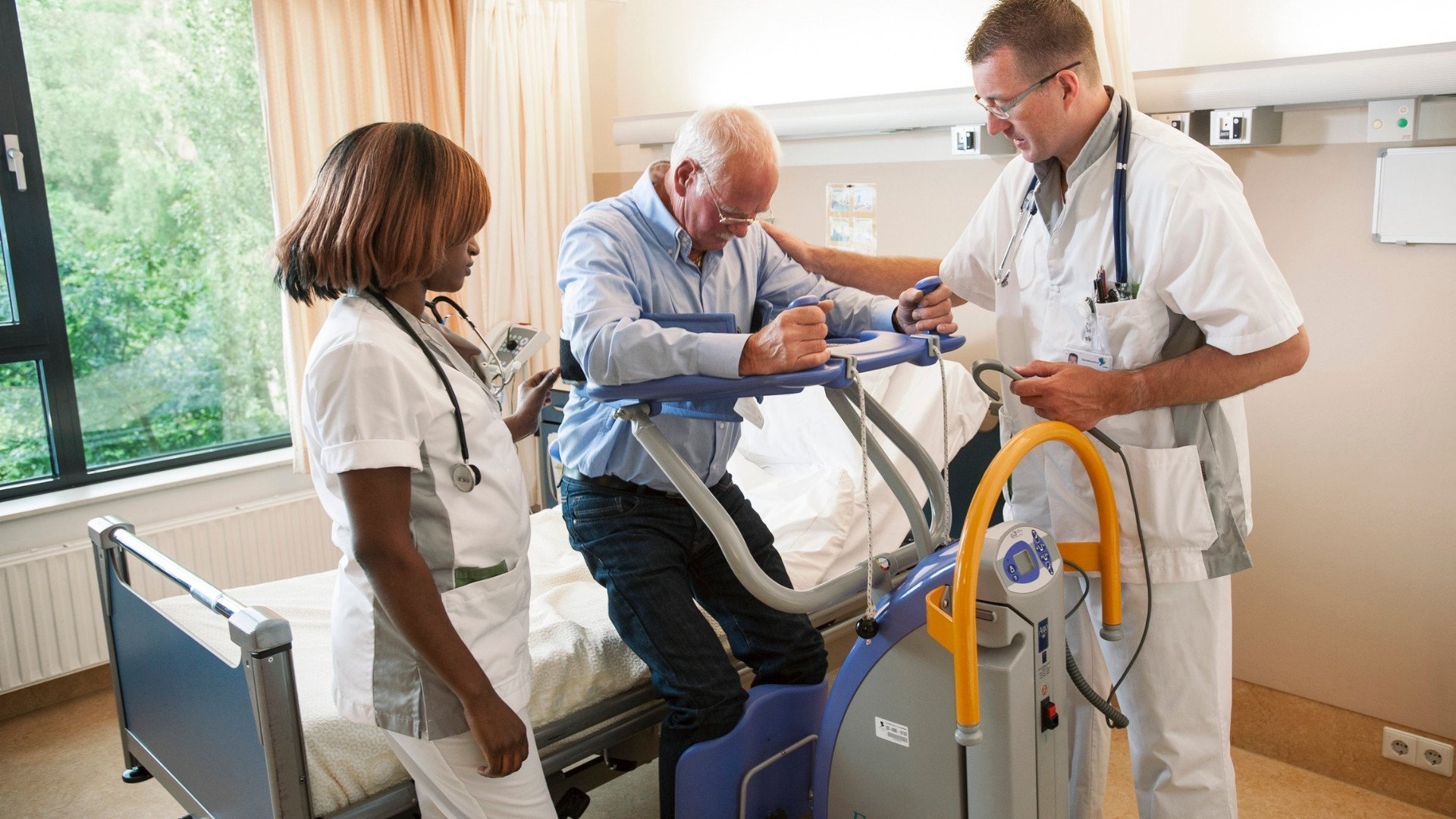
Hospital workers using a Hoyer lift to help a patient get out of bed using proper body mechanics and workplace safety protocols.
Healthcare workers face workplace injuries at nearly double the rate of other industries — 5.5 injuries per 100 full-time employees — impacting not just staff well-being but also patient safety and care quality. And hospitals themselves present unique hazards, from bloodborne pathogen exposure and chemical risks to ergonomic injuries and workplace violence.
Let's explore how modern hospitals are transforming their safety strategies by focusing on six essential areas that protect employees while enhancing operational excellence.
Introduction to Occupational Safety
Occupational safety in hospitals encompasses a broad range of practices, policies and programs designed to minimize risks associated with the healthcare environment. Given the diverse nature of hospital work, ranging from direct patient care to handling hazardous materials, implementing comprehensive safety measures is vital. These measures not only protect health care workers but also contribute to public health by reducing the transmission of infectious diseases within healthcare settings.
Hospitals must adhere to strict safety and health guidelines established by regulatory bodies to ensure compliance with laws designed to protect staff members and patients alike. Furthermore, fostering a culture of safety encourages all staff members, including caregivers, physicians, nurses and support personnel, to take responsibility for their own safety and that of their colleagues. This collaborative approach leads to better communication, more effective hazard identification and timely implementation of safety procedures.
Developing and maintaining effective health programs tailored to the unique challenges of hospital work environments is essential. These programs cover a variety of areas such as infection control, chemical and radiation safety, workplace violence prevention, mental health support and equipment training. When properly executed, these programs lead to multiple benefits, including reduced workplace injuries, improved workforce morale and enhanced overall health services delivery.
Moreover, a safe work environment supports the professional development of healthcare workers by enabling them to perform their duties confidently and efficiently. It also helps hospitals attract and retain skilled employees, which is critical in addressing workforce shortages and sustaining high-quality patient care. Ultimately, occupational safety is a foundational element that supports the resilience and effectiveness of the entire healthcare system, benefiting not only health care workers but also the communities they serve.
Understanding Hospital Workplace Hazards
Healthcare workers face a variety of workplace hazards, ranging from physical injuries and chemical exposures to biological risks. Hospitals also present the threat of workplace violence, which can impact staff, patients and other personnel.
Ensuring a safe work environment is critical, as workplace safety is closely linked to patient safety and the overall quality of care. To protect themselves and those they serve, healthcare professionals need proper training to identify and mitigate these risks, while employers must provide the resources, protocols and support necessary to maintain a safe and healthy hospital environment.
1. Injury Prevention and Ergonomic Safety
Musculoskeletal disorders affect 77.2% of nurses annually, making ergonomic safety a top priority. Effective programs include:
No-lift policies with mechanical assistance for heavy patient transfers
Ergonomic workstation design with adjustable desks and anti-fatigue mats
Slip, trip and fall prevention through non-slip flooring and clear signage
Needle stick prevention with safety-engineered devices and proper disposal protocols
These strategies not only help to keep nursing staff safe, but they also reduce lost work time, workers’ compensation costs and improve overall staff satisfaction.
2. Infection Control and Biological Hazards
Hospitals implement rigorous screening procedures for patients and visitors to identify potential threats early. These organizations use the following safety measures to prevent exposure:
PPE and COVID/TB protocols tailored to transmission risk
Bloodborne pathogen exposure control and vaccination programs
Hand hygiene compliance monitored and reinforced with training
Isolation rooms with negative air pressure are utilized to contain airborne pathogens, minimizing cross-contamination within hospital wards. Environmental cleaning protocols are enhanced, focusing on high-touch surfaces to reduce the risk of indirect transmission.
Healthcare workers receive ongoing training on emerging infectious diseases and updates on best practices to ensure preparedness for outbreaks. Multidisciplinary infection control teams coordinate efforts across departments, ensuring policies are consistently applied and adjusted according to the latest scientific evidence.
Moreover, hospitals collaborate with public health authorities to monitor infection trends and participate in vaccination campaigns to protect both staff and patients. The integration of technology, such as electronic health records (EHRs) and real-time infection surveillance systems, supports rapid identification and response to infection clusters.
These comprehensive strategies not only reduce the incidence of hospital-acquired infections but also contribute to the broader public health goal of controlling infectious diseases within the community.
3. Chemical and Radiation Safety
From chemotherapy drugs to diagnostic radiation, compliance programs are essential. These programs ensure that healthcare workers are protected from hazardous exposures through strict adherence to safety protocols and regulatory standards.
Safe handling protocols with closed-system transfer devices and protective gloves
Proper chemical storage and disposal to prevent hazards
Radiation safety monitoring with dosimetry and shielding
Handling chemotherapy agents involves specialized training to prevent accidental contamination and exposure, as these drugs can be highly toxic. Closed-system transfer devices are commonly used to minimize the risk of spills and aerosolization during drug preparation and administration.
Similarly, radiation safety programs focus on minimizing exposure to ionizing radiation by implementing shielding techniques, monitoring radiation doses with personal dosimeters and enforcing time and distance principles to reduce contact. Hospitals must also maintain rigorous chemical inventory management to track hazardous substances, ensure proper labeling and provide Material Safety Data Sheets (MSDS) for all chemicals used in the facility.
Regular training sessions and audits help staff stay informed about updates in chemical and radiation safety guidelines. Additionally, emergency response plans are developed to address accidental spills or exposures promptly, reducing potential harm to workers and patients alike. Compliance with these programs not only protects individual health care workers but also supports the overall safety culture within the healthcare industry, fostering a secure workplace environment that benefits all staff members.
4. Workplace Violence Prevention
Healthcare professionals face violence at rates five times higher than other industries. Effective programs include:
De-escalation training for staff
Emergency response protocols and security systems
Incident reporting and analysis to identify and prevent recurring risks
Prioritizing safety here protects staff and patients while mitigating liability. It also fosters a culture of trust and accountability within the hospital, where every team member feels valued and empowered to report concerns without fear of reprisal. This proactive approach not only reduces incidents of workplace violence but also enhances overall job satisfaction and staff retention.
By investing in comprehensive violence prevention strategies, hospitals demonstrate their commitment to creating a safe workplace that supports the well-being of health care professionals and ultimately leads to better patient care outcomes. Furthermore, addressing workplace violence contributes to compliance with regulatory standards and reduces the financial and reputational risks associated with safety breaches.
5. Mental Health and Burnout Prevention
Burnout impacts more than 50% of physicians and contributes to high nurse turnover. Hospitals support mental health with:
Employee Assistance Programs and confidential counseling
Fatigue management through optimized shift schedules
Wellness initiatives like mindfulness programs and peer support groups
Investing in mental health improves morale, retention and patient care quality. Mental health support is an essential component of workplace safety in hospitals because healthcare workers face intense emotional and psychological stress daily. The high-pressure environment, exposure to traumatic events, long shifts and persistent staffing shortages contribute to increased risks of anxiety, depression and burnout among health care professionals. Addressing these safety concerns through proactive and comprehensive mental health programs helps reduce work-related illness and absenteeism, fostering a healthier, more resilient workforce.
Hospitals can implement various initiatives to support mental well-being, such as providing access to confidential counseling services, promoting peer support networks and offering stress management workshops. Encouraging open communication about mental health challenges reduces stigma and empowers workers to seek help early. Additionally, integrating mental health resources with other health programs ensures a holistic approach to employee well-being.
A diverse group of stakeholders, including leadership, human resources and frontline staff should collaborate to develop policies that prioritize psychological safety. This collaboration ensures that mental health strategies are tailored to the unique needs of different roles within the hospital setting. By proactively managing mental health risks, hospitals not only improve job satisfaction and reduce turnover but also enhance patient safety, as healthier staff are better equipped to provide high-quality care.
Ultimately, investing in mental health creates other benefits beyond individual well-being. It strengthens the healthcare system’s capacity to respond effectively to public health emergencies and supports sustainable workforce development. Recognizing mental health as
6. Equipment Safety and Training
Proper use of complex medical equipment requires:
Competency-based training for all devices
Preventive maintenance and inspections
Personal protective equipment training
Emergency equipment drills
Ensuring staff proficiency prevents accidents and enhances patient safety. Comprehensive training programs are essential to equip healthcare workers with the skills and knowledge needed to operate medical equipment safely and effectively. These programs should include hands-on practice, competency assessments and regular refresher courses to keep staff updated on the latest technologies and protocols.
Moreover, fostering a culture of continuous learning encourages healthcare professionals to report equipment issues promptly and seek assistance when needed. This proactive approach minimizes the risk of equipment-related errors and malfunctions that could compromise patient care. Hospitals should also invest in advanced simulation training, allowing staff to practice emergency scenarios and equipment handling in a controlled environment, thereby improving their confidence and response times.
In addition to individual training, interdisciplinary collaboration plays a crucial role in equipment safety. Nurses, physicians, technicians and support staff must communicate effectively to ensure proper use and maintenance of devices. Clear documentation and standardized procedures help maintain consistency and reduce variability in equipment handling across departments.
Regular audits and inspections complement training efforts by identifying potential safety gaps and ensuring compliance with manufacturer guidelines and regulatory standards. Maintenance teams should work closely with clinical staff to schedule preventive maintenance and address any equipment defects promptly.
Ultimately, investing in thorough equipment safety and training programs not only protects healthcare workers but also significantly contributes to a safer hospital environment, reducing the incidence of work-related injuries and enhancing overall patient safety.
Creating a Culture That Encourages Worker Safety
Creating a safety culture in hospitals is essential because healthcare workers must feel comfortable reporting safety concerns and near misses without fear of reprisal. Healthcare organizations need to prioritize safety and health by making them core values, integral to their mission and vision.
Leaders and managers play a crucial role in fostering this culture by setting the tone for the entire organization. It’s equally important for employees to be actively engaged and involved in identifying and addressing safety concerns. Ultimately, a safety culture goes beyond just preventing injuries and illnesses; it’s about promoting the overall well-being of healthcare workers, ensuring they feel supported and valued every day.
Building a Sustainable Workplace Safety Culture
A safe workplace environment is essential for healthcare workers, patients and visitors, providing a secure and healthy space for care to be delivered. Safety culture requires leadership commitment, staff engagement and continuous improvement:
Leaders model and prioritize safety in daily operations
Staff take ownership of hazard identification and compliance
Programs adapt to emerging risks, technology and regulatory requirements
Alignment with organizational mission reinforces the importance of worker safety
Hospitals that prioritize workplace safety protect their most valuable resource — their staff — while enhancing patient outcomes, improving recruitment and retention, and building resilient organizations.
