
Understanding Outpatient Care Growth: Trends Shaping Healthcare Today
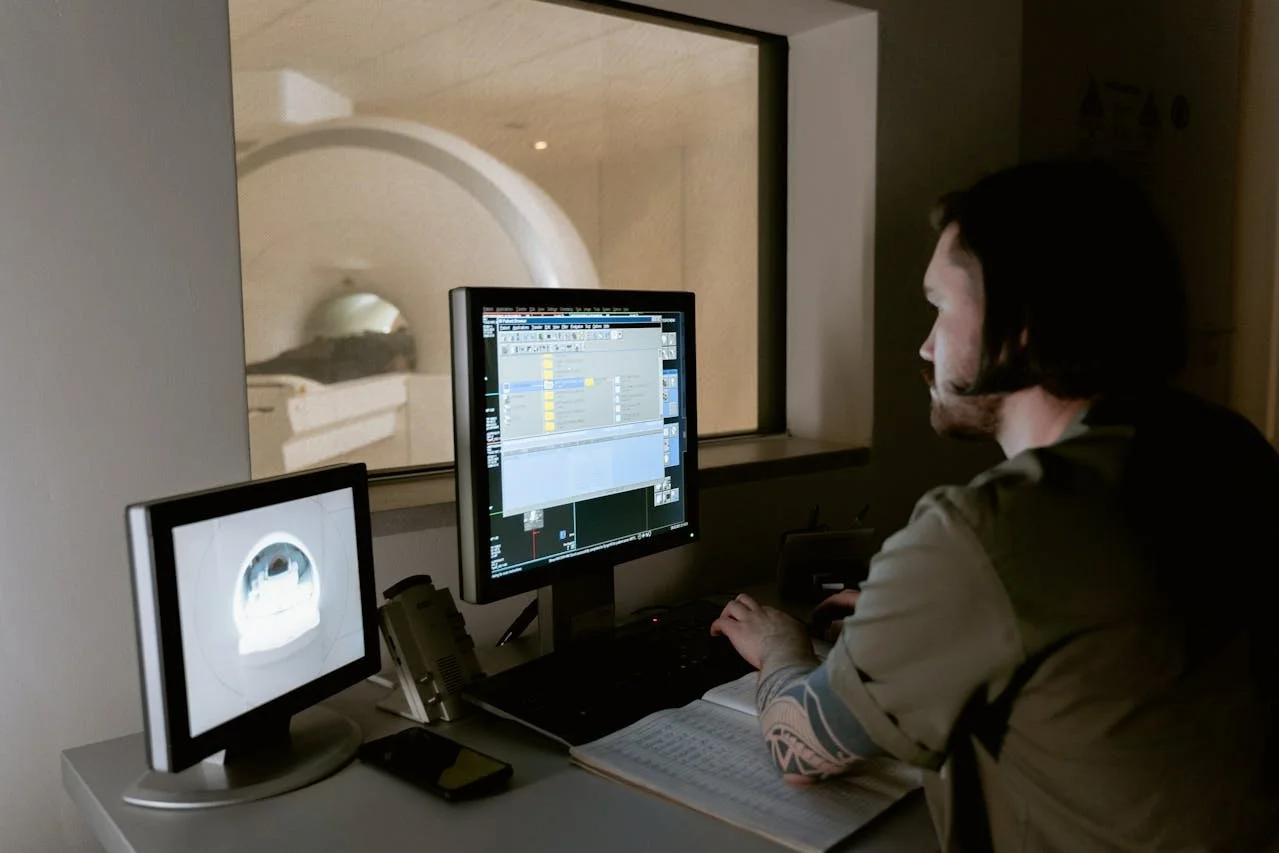
A modern outpatient radiology center showcasing advanced diagnostic imaging technology, representing outpatient care growth and innovation in healthcare delivery.
Outpatient care is a crucial part of the healthcare system, providing medical care and a wide range of medical services without requiring patients to stay overnight in a hospital. Care providers and hospital leadership are expanding care access and adapting to the ever-evolving healthcare landscape by integrating new patient-focused options like telehealth, urgent care and retail clinics.
The growth of outpatient care in the United States reflects changes in patient preferences, healthcare regulations and technological advancements. Outpatient care offers benefits like cost savings, convenience and faster patient recovery, making it a key part of healthcare delivery. These services are increasingly delivered in various outpatient locations and settings, enhancing accessibility for patients.
This surge in outpatient care raises important questions about how healthcare delivery is growing. The article below breaks down what’s driving this shift and how providers and healthcare leaders can adapt.
What is Considered Outpatient Care?
Outpatient services include a range of medical treatments, from routine check-ups, labs and diagnostic tests to minor surgeries and physical therapy, many of which can be performed in a doctor's office.
Ambulatory surgery centers (ASCs) and outpatient surgery centers are experiencing significant growth, offering same-day surgical care as a cost-effective alternative to hospital stays. In fact, surgical procedures in ASCs are expected to increase by 25% over the next 10 years.
Comparison of Inpatient and Outpatient Care
The main difference between inpatient and outpatient care is whether a hospital stay is required — with inpatient care involving admission and outpatient care not requiring hospitalization.
One caveat: emergency rooms (ER) serve as critical facilities for urgent and emergency medical situations, providing immediate care for cases that require urgent attention or overnight observation, distinguishing them from other outpatient services An ER visit is considered outpatient care until a doctor formally admits you to the hospital as an inpatient, typically within 24 hours.
Cost Differences
Outpatient care is associated with lower costs when compared to inpatient services, making it a generally more affordable option for patients and healthcare systems alike. This cost difference is a significant factor driving outpatient care growth, as both patients and healthcare providers seek more economical and efficient medical care methods without compromising quality.
According to a study from the Institute for Health Metrics and Evaluation, the average outpatient visit in the U.S. cost nearly $500 in 2018, while the average inpatient hospital stay in 2016 exceeded $22,000.
This dramatic gap is driven by more than just meals and overnight accommodations. Inpatient care requires 24/7 nursing coverage, constant monitoring, specialized equipment, additional staffing and the use of hospital resources that support intensive or complex care. Outpatient services, by contrast, avoid these high-cost components. Patients come in for a specific service and return home the same day.
At a time when medical costs are under intense scrutiny by patients and providers, outpatient services can offer the best of both worlds: quality care at a more affordable price.
Flexibility and Convenience
Outpatient care offers greater flexibility and convenience for patients, allowing them to receive a variety of procedures and treatments without the disruption of hospital stays. This is especially beneficial for patients with complex needs who require ongoing management but do not need continuous hospitalization.
The ability to access outpatient services in a mix of settings, including outpatient centers, urgent care facilities and even telehealth platforms, enhances accessibility for many patients, including those living in rural areas.
Insurance Benefits
Insurance coverage often favors outpatient care by providing better reimbursement rates and lower out-of-pocket expenses, encouraging both patients and healthcare professionals to opt for outpatient services when medically appropriate.
A recent study found that for four common adult outpatient surgeries ( arthroscopy, cataract, colonoscopy and upper gastrointestinal procedures), insurers paid about 110% more when the procedure was done in an in-network hospital outpatient department (HOPD) vs. an in-network ASC. Patients also paid $186 more out-of-pocket at the HOPD than at the ASC.
Despite the cost difference, outpatient care offers a similar standard of quality of care.
A 2024 comparative study of full-fast-track total knee arthroplasty found no significant difference in 90-day complication rates (8.0% vs. 7.9%) or readmission/reoperation rates between outpatient and inpatient settings, suggesting outpatient care does not carry higher risks.
More Specialized Care
As outpatient care continues to expand, healthcare systems are investing in specialized outpatient facilities to provide robust services. These centers are equipped to perform a wide range of medical treatments and minor surgeries safely and efficiently, further contributing to the shift away from inpatient care. This transition also helps hospitals manage resources better by focusing inpatient facilities on patients with life-threatening or severe illnesses requiring intensive care.
Role of Health Systems
Health systems are responding to the growth of outpatient care by expanding their services and investing in outpatient facilities. Health systems are also adopting new technologies, such as remote patient monitoring, to enhance outpatient care and improve patient outcomes.
Outpatient settings now manage a wide range of medical conditions, including:
Chronic diseases: diabetes, hypertension, asthma, COPD and heart failure
Musculoskeletal issues: arthritis, chronic joint pain, tendon or ligament injuries
Cardiovascular conditions: stable angina, arrhythmia monitoring and post–cardiac event follow-ups
Behavioral and mental health: anxiety, depression and substance use disorders
Neurological conditions: migraines, epilepsy follow-ups and neuropathy
Endocrine disorders: hypothyroidism, hyperthyroidism and adrenal disorders
Gastrointestinal issues: IBS, GERD, Crohn’s disease and ulcerative colitis
Women’s health care: prenatal check-ups, postpartum care, hormone concerns and pelvic pain
Cancer care: chemotherapy infusions, radiation therapy support and survivorship visits
Infectious disease management: wound care, antibiotic infusions and post-COVID monitoring
Post-operative follow-ups: recovery monitoring after orthopedic, cardiovascular or general surgery
Preventive and wellness care: screenings, vaccinations and routine physicals
The integration of outpatient care into health systems is essential for providing comprehensive and coordinated care, particularly for patients with chronic diseases, as well as managing various medical conditions. Health systems are increasingly focused on delivering personalized care tailored to individual patient needs.
Addressing Challenges of Outpatient Care
Health systems are working to address the challenges of outpatient care, including ensuring access to care, managing chronic conditions, providing preventive care and developing a strong outpatient workforce. Follow-up care also remains a critical component, especially when it comes to medication adherence and long-term health management.
Access to Care
One of the biggest challenges in outpatient care is ensuring patients can access the right services at the right time. Many communities still face barriers such as limited clinic availability, transportation issues or a lack of specialty providers. In response, health systems are:
Building more outpatient facilities, including ACSs and diagnostic imaging centers, to bring care closer to patients.
Expanding telehealth to reach rural and underserved populations who otherwise face long travel distances or wait times.
Improving care coordination across inpatient, outpatient and primary care providers to create smoother transitions and reduce gaps in follow-up care.
These investments improve care access, but they require significant financial resources, advanced technology and ongoing organizational support — notable challenges for smaller hospitals or rural systems.
Consider a patient who receives a routine mammogram at an outpatient imaging center. In an ideal, well-coordinated system, every step after the screening works seamlessly. The radiologist immediately uploads the results to the shared electronic health record (EHR), flags the primary care provider (PCP) and triggers an automated alert for the care team. Within hours, a nurse navigator contacts the patient to explain the findings, answer questions and schedule the recommended diagnostic follow-up.
The primary care provider receives a summary of both the initial screening and the next steps, ensuring they stay fully informed and can support the patient throughout the process. The imaging center, navigator and PCP remain in communication, preventing any gaps, delays or confusion.
This is the type of care coordination that makes outpatient services so effective: smooth handoffs, timely communication and shared responsibility across care teams. But achieving this level of coordination requires strong systems, clear workflows and technology that connects every provider involved. Without consistent communication between outpatient imaging, primary care and specialty clinics, even routine follow-ups can be missed.
Managing Chronic Conditions
Chronic disease management is a cornerstone of outpatient care — and also one of its most complex challenges. Many patients require continuous monitoring, multiple medications, lifestyle counseling and regular check-ins.
Health systems are addressing these challenges by:
Leveraging EHRs and data analytics to identify high-risk patients and proactively intervene.
Using remote patient monitoring tools (e.g., blood pressure cuffs, glucose monitors) to track patients at home and reduce preventable hospitalizations.
Integrating multidisciplinary teams, such as dietitians, behavioral health providers and chronic care coordinators, to support whole-person care.
Even with these innovations, chronic disease management continues to strain outpatient resources — especially when patients lack access to affordable medications, transportation or consistent follow-up.
Providing Preventive Care
Preventive care is one of the greatest opportunities in outpatient care, but it also brings persistent hurdles. Many patients delay screenings or skip routine checkups due to cost concerns, time constraints or lack of awareness.
To address these issues, health systems are:
Increasing screening availability through community-based clinics and mobile health units.
Expanding vaccination and wellness programs that help patients stay ahead of illness.
Encouraging early intervention, which lowers long-term costs and helps patients avoid complications that would otherwise lead to hospitalization.
Despite these efforts, preventive care utilization remains inconsistent across populations, highlighting the need for more outreach and patient education.
Workforce Development
A major nagging challenge facing outpatient growth and the industry at large is the shortage of qualified healthcare professionals. Many outpatient roles, such as medical assistants, nurse practitioners, behavioral health specialists and care coordinators, are in high demand but difficult to recruit and retain.
To strengthen the outpatient workforce, health systems are:
Launching training and cross-training programs to equip staff with the skills needed for outpatient settings.
Implementing flexible scheduling and retention initiatives to reduce burnout and turnover.
Developing leadership and professional development pathways to build a sustainable pipeline of outpatient clinicians.
Still, staffing shortages remain a significant barrier to expanding outpatient services, particularly in rural and low-resource areas.
Healthcare Policies and Regulations
Healthcare policies and regulations play a huge role in shaping the rapid growth of outpatient care today. One of the key players in this space is Medicare and Medicaid services, which have increasingly expanded coverage to include a wider range of outpatient procedures. This shift means that more patients can access outpatient care without the financial barriers that might have previously limited their options. According to the Centers for Medicare & Medicaid Services (CMS), updates to payment models and coverage policies are encouraging healthcare providers to offer more services in outpatient settings, which ultimately supports the overall growth of outpatient care.
Navigating the complex regulatory environment can be challenging for healthcare providers. They must ensure compliance with a variety of laws and regulations while still delivering high-quality, patient-centered outpatient care. This includes adhering to standards for patient safety, privacy (such as HIPAA) and billing practices.
The healthcare system is undergoing an ongoing transformation, driven by changing patient needs, technological advancements and evolving policies. As outpatient care continues to expand, regulatory frameworks are adapting to support this shift, promoting value-based care models that reward quality and efficiency rather than volume. This dynamic landscape means that healthcare providers, payers and policymakers must work together to create systems that prioritize patient access, affordability and positive health outcomes.
Hospital Settings and Outpatient Care
Hospital settings are adapting to the growth of outpatient care, with many hospitals investing in outpatient facilities and services. The expansion of outpatient care is reducing the need for hospital stays, particularly for patients with minor surgeries and other conditions that can be treated on an outpatient basis.
Hospital systems are working to integrate outpatient care into their operations, ensuring seamless transitions between inpatient and outpatient care and improving patient outcomes.
Investing in Digital Transformation and Telehealth
Digital transformation continues to fuel outpatient growth. Telehealth and remote patient monitoring allow healthcare providers to follow up with patients virtually, reducing readmissions and improving continuity of care.
Many health systems are also leveraging AI tools, integrated EHRs and predictive analytics to personalize care, identify high-risk patients and manage chronic conditions. These technologies enhance efficiency while supporting better outcomes — a win-win for patients and providers alike.
Diagnostic Imaging and Treatment in Outpatient Settings
Outpatient diagnostic imaging, including MRI, CT scans, ultrasounds and other tests, allows patients to receive timely and accurate evaluations without hospital admission. These capabilities support early detection, faster intervention and more efficient care delivery.
Beyond diagnostics, outpatient treatment options such as physical therapy, rehabilitation and follow-up procedures continue to expand. These services are especially valuable for patients managing chronic conditions or recovering from surgery, offering convenient alternatives to inpatient care.
The combination of advanced imaging and outpatient treatment is helping reduce unnecessary hospital stays, ease inpatient capacity constraints and lower the risk of hospital-acquired infections. To ensure equitable access, health systems are also working to expand these services into rural and underserved communities — using strategies like telehealth, mobile imaging units and integrated care coordination.
By strengthening outpatient diagnostic and treatment capabilities, hospitals can improve patient outcomes, increase efficiency and deliver more personalized care across the continuum.
Strengthening Primary and Preventive Care
As healthcare moves beyond the hospital walls, primary care and preventive health services have become central to sustainable growth. Early detection and chronic disease management help patients avoid costly hospitalizations. Outpatient clinics now play a key role in providing annual screenings, vaccinations and wellness visits — ensuring timely intervention and reducing system-wide spending.
Behavioral Health Integration
Behavioral health has emerged as a priority in outpatient settings. Hospitals are integrating mental health and substance use services into primary care clinics and telehealth platforms to meet rising demand. This approach reduces stigma, improves coordination and ensures holistic treatment for patients managing both physical and mental health needs.
Expanding Specialty Service Lines
Outpatient growth isn’t limited to primary care. Specialty services like cardiology, orthopedics, oncology and pediatrics are increasingly being offered in outpatient settings through centers of excellence. These specialized centers help hospitals stand out in competitive markets, attract referrals and provide advanced treatments closer to home.
Strategic Partnerships, Mergers and Collaborations
Health systems are forming partnerships with technology companies, rural hospitals and academic medical centers to expand their outpatient footprint. Collaborations allow hospitals to share data, reduce operational costs and provide more comprehensive care. Strategic mergers and alliances also help extend brand presence into new communities.
Patient Experience and Consumer-Driven Care
Today’s patients expect same-day appointments, digital scheduling and hospital-at-home programs that bring care directly to them. By aligning with these expectations, hospitals can enhance satisfaction and loyalty. Outpatient care gives hospitals the flexibility to design care pathways around the modern healthcare consumer.
Innovation, Research and Robotics
Outpatient innovation is accelerating through robotic surgery, imaging technology and AI-assisted diagnostics. Hospitals investing in research hubs and outpatient innovation centers are not only improving patient outcomes but creating new revenue streams through advanced treatment capabilities and partnerships with medical device companies.
What Outpatient Expansion Means for Healthcare Leaders
The continued growth of outpatient care has broad implications for hospital executives:
Redefining Leadership Roles
Executives now oversee complex networks of ambulatory sites, telehealth programs and specialty clinics — requiring adaptive leadership and cross-functional coordination.
Optimizing Resource Allocation
Outpatient care demands new approaches to staffing, scheduling and technology investment. Leaders must balance inpatient and outpatient resources to maximize operational efficiency.
Adjusting Financial Strategies
With different reimbursement models and payment structures, outpatient growth calls for more sophisticated financial planning and cost management systems.
Improving Patient Access and Satisfaction
Leaders have the opportunity to reshape patient access through better scheduling systems, care coordination and patient-centered design.
Driving Innovation and Growth
From robotics to data analytics, outpatient expansion creates fertile ground for innovation. Leaders who invest early in these technologies position their organizations for long-term success.
Future of Outpatient Care
The future of outpatient care is promising, with ongoing technological advancements and innovations in care delivery expected to drive growth and improvement. The expansion of outpatient care is likely to continue, with a greater emphasis on preventive care, chronic disease management and behavioral health services.
The aging population presents both a challenge and an opportunity for outpatient care. Many older patients require ongoing medical treatment, rehabilitation services and physical therapy to maintain their independence and quality of life. Outpatient settings can provide these essential services, supporting seniors in managing long-term illnesses and reducing the need for extended hospital stays.
Mental health issues are also increasingly being addressed in outpatient settings. By expanding access to behavioral health services, including counseling and therapy, outpatient facilities can help patients manage mental health conditions and prevent more serious illnesses from developing.
Ultimately, the ongoing transformation of healthcare systems requires providers to be adaptable, innovative and focused on delivering patient-centered care. By embracing the growth of outpatient care, addressing workforce and resource challenges and leveraging new technologies, healthcare providers can continue their pursuit of improving patient outcomes, reducing costs and meeting the evolving needs of their communities. As outpatient care continues to evolve, it will play a vital role in shaping the future of healthcare delivery.
